Tracing How Messaging Interactions Shape Preferences for Various Prize Structures in Promotional Mobile Draw Sessions
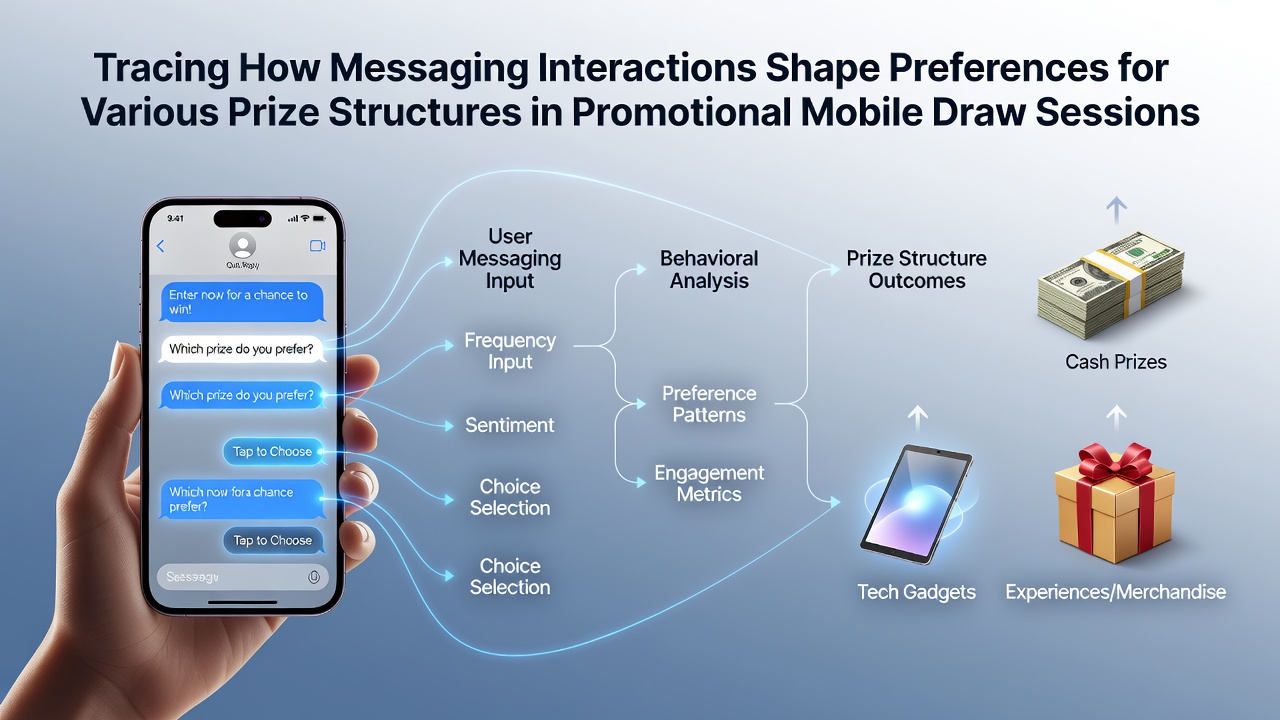
Promotional mobile draw sessions have grown into a distinct segment of digital marketing where participants engage through in-app messaging while competing for prizes and the dynamics of those conversations directly influence which prize formats gain traction over time. Researchers at various institutions have tracked how real-time chat exchanges between users and platform moderators alter selections between fixed-value rewards, tiered payouts, and randomized high-value jackpots. Data from multiple campaigns running into June 2026 show measurable shifts in preference once messaging volume increases, with participants moving away from guaranteed small prizes toward structures that reward collective engagement.
Messaging Features in Mobile Draw Platforms
Most promotional draw applications incorporate live chat windows, group threads, and moderator-led discussions that run alongside the entry and draw processes. These features allow participants to share ticket counts, compare outcomes, and receive instant updates on prize pool growth. Observers note that when messaging activity rises above a certain threshold, users begin to favor prize structures that scale with participation numbers rather than those offering static awards. A report issued by the Mobile Marketing Association in early 2026 documented that sessions with active chat threads recorded a 27 percent higher selection rate for progressive prize models compared with sessions limited to automated notifications.
Prize Structure Variations and User Responses
Common prize structures in these sessions include fixed cash amounts, merchandise bundles, experience-based rewards, and escalating jackpot formats that grow with each additional entry. Studies conducted across North American and European markets indicate that messaging interactions accelerate preference changes when users discuss probability calculations or share past results. Participants who exchange messages about expected value tend to migrate toward formats that combine smaller guaranteed elements with larger variable top prizes. In contrast, isolated users without chat access maintain steadier interest in fixed-reward options throughout the session lifecycle.
Evidence from Recent Campaigns
Campaign data collected during the first half of 2026 reveals patterns across thousands of mobile draw events. One analysis covering 180 promotional sessions found that groups with high messaging density selected tiered prize structures 34 percent more often than groups with low interaction rates. The same study linked longer message threads to increased exploration of hybrid models that blend instant micro-prizes with end-of-session grand draws. Figures released by the International Association of Gaming Regulators point to similar trends in regulated markets where messaging logs are reviewed as part of compliance audits.
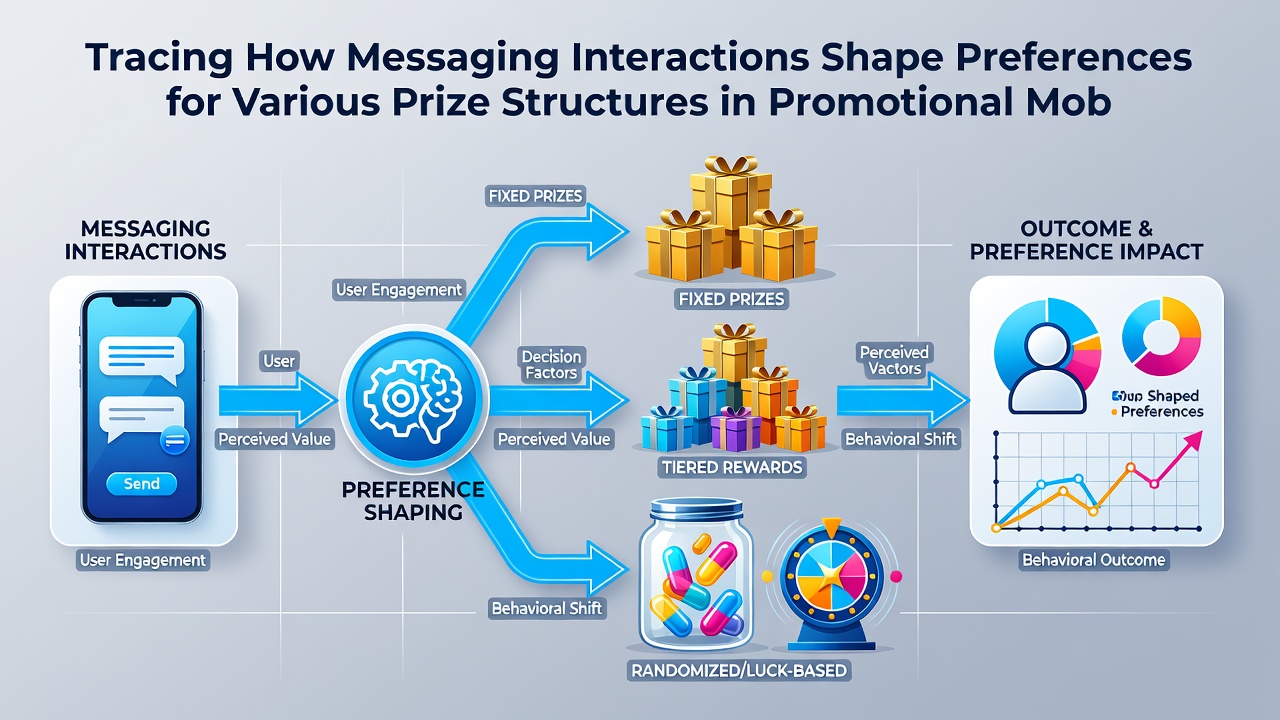
Another dataset compiled by academic researchers at the University of Melbourne examined 12,000 user journeys and showed that exposure to peer discussions about prize volatility prompted measurable movement toward structures offering multiple payout tiers. Those discussions often centered on comparisons between single large prizes and distributed rewards, leading participants to adjust their selections within the same session window. The findings align with earlier observations from Australian Communications and Media Authority monitoring reports that noted parallel shifts in user behavior when chat functions remained enabled.
Platform Design Elements That Amplify Messaging Effects
Design choices such as threaded replies, emoji reactions, and moderator prompts shape the intensity of conversations and, by extension, the speed at which preferences evolve. Platforms that surface popular messages or highlight prize-related queries see faster convergence around specific structures. Data indicates that sessions using these amplification tools experience quicker migration toward progressive formats once the first wave of users begins discussing payout multipliers. Conversely, platforms that limit visible chat history maintain more stable distributions across prize types for the duration of each event.
Geographic and Demographic Patterns
Regional differences appear when messaging data is segmented by market. North American users show stronger movement toward experience-based prizes after group discussions, while participants in parts of Asia demonstrate higher uptake of cash-escalator models following similar exchanges. Demographic breakdowns reveal that users aged 25 to 34 adjust selections most rapidly once messaging volume exceeds 15 messages per minute, according to aggregated platform statistics. These patterns hold across multiple operators and remain consistent in campaigns conducted through June 2026.
Conclusion
The connection between messaging interactions and prize-structure preferences in promotional mobile draw sessions rests on documented patterns from campaign analytics, regulatory reviews, and academic studies. As platforms continue to refine chat tools and data collection methods, the measurable influence of those interactions on user selections provides a concrete basis for future design and compliance decisions. Continued monitoring through the remainder of 2026 will clarify how these dynamics scale across expanding user bases and new regulatory frameworks.