Reward Cycles Shape Format Choices in App-Based Social Draw Platforms
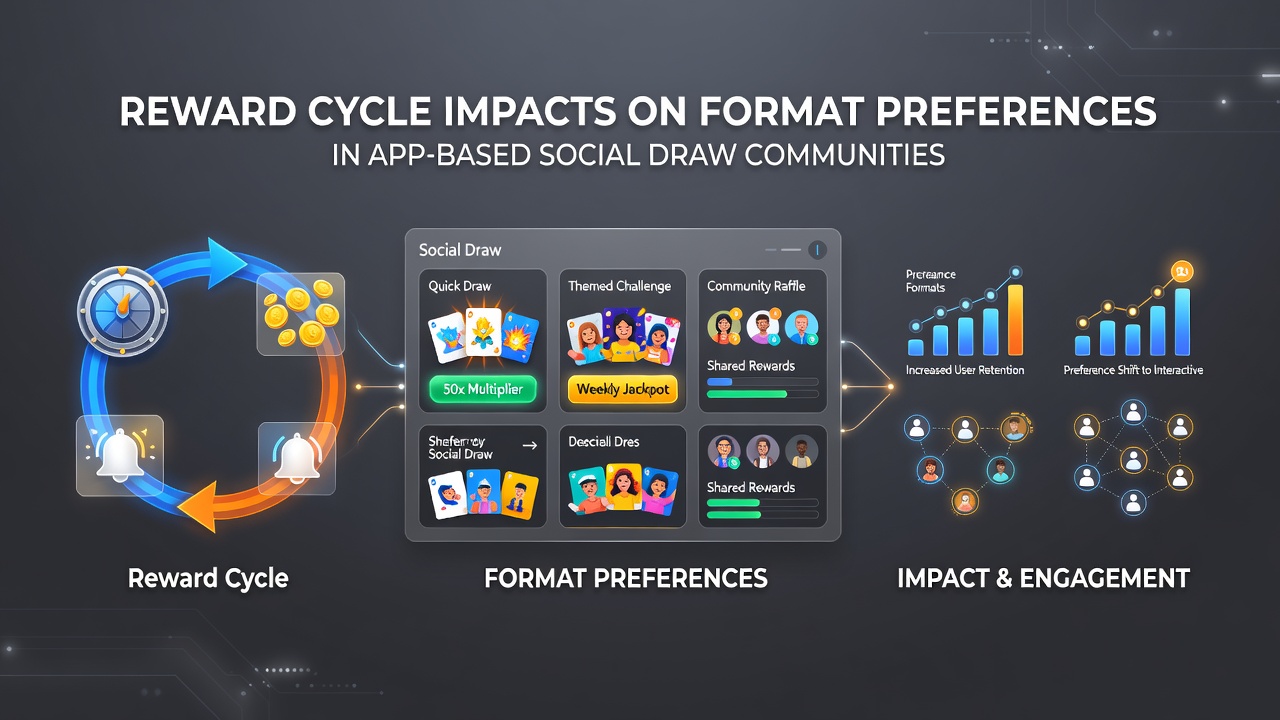
App-based social draw communities operate through structured reward cycles that deliver daily logins, streak bonuses, and tiered incentives, and these mechanisms directly influence which draw formats participants select over time. Data collected across multiple platforms during the first half of 2026 shows measurable shifts in format selection once users reach specific reward milestones, particularly around the June reporting period when many services reset annual leaderboards and introduce summer-themed prize pools.
How Reward Structures Operate in Draw Applications
Most platforms divide user activity into weekly and monthly cycles that grant escalating points for consistent participation, with bonuses multiplying when users complete draws in designated formats. Researchers tracking engagement patterns note that early-cycle rewards often favor quick-entry formats such as instant single-number draws, while later-cycle incentives push participants toward multi-stage or community-voted formats that require higher point thresholds. These patterns emerge because the reward algorithms allocate larger multipliers to formats that increase session length and social interaction metrics.
Platform operators adjust cycle parameters based on aggregated user data, and June 2026 updates across several services introduced new streak-protection features that automatically convert unused daily rewards into format-specific vouchers. Observers tracking these changes report that voucher redemption rates rose sharply for progressive jackpot-style draws, suggesting that reward timing plays a larger role than prize value alone in guiding selections.
Format Preferences Linked to Cycle Position
Participants who remain in early reward stages tend to cluster around simple number-selection interfaces, whereas those who advance past the midpoint of a cycle migrate toward formats that incorporate chat integration and shared prize escalation. Figures from industry monitoring services reveal that the transition occurs most frequently between days twelve and eighteen of a standard thirty-day cycle, coinciding with the point where accumulated points unlock higher-tier bonus draws. This movement creates predictable waves of format exploration that operators can anticipate when planning prize allocations.
Regional Variations in Cycle Response
Canadian users tracked through federal digital participation surveys show stronger loyalty to chat-enabled group draws once reward cycles exceed twenty days, while Australian participants demonstrate faster shifts toward solo instant formats when weekly streaks reset. These geographic differences appear tied to local regulatory requirements around prize disclosure and session time limits, which shape how platforms structure their reward ladders. Data from the Australian Communications and Media Authority indicates that disclosure rules implemented in early 2026 increased transparency around reward-to-prize conversion rates, prompting users to favor formats with clearer payout timelines.
Impact of Bonus Multipliers on Exploration Patterns
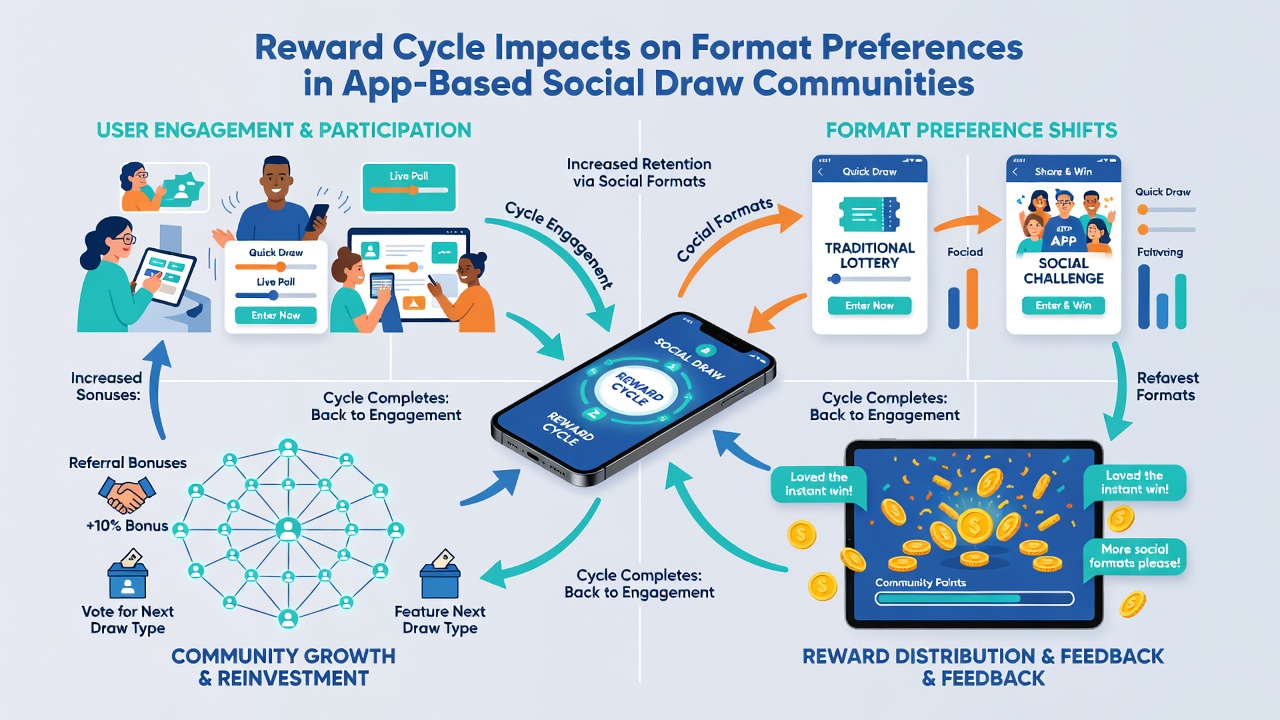
Bonus multipliers attached to specific formats create temporary preference spikes that often persist beyond the active reward window. When a platform designates a new draw variant for double points during week three of a cycle, participants who sample that variant continue selecting it at elevated rates even after the multiplier expires. Longitudinal tracking conducted by academic researchers at several European universities confirms that this carry-over effect lasts approximately fourteen days on average, after which selection patterns revert toward pre-multiplier baselines unless additional cycle incentives intervene.
June 2026 introduced several cross-platform reward sharing agreements that allowed points earned in one application to transfer into format vouchers for partner services. Early results from these agreements show increased movement between single-draw and syndicate formats, particularly among users who had already reached maximum streak levels in their primary application. The transfers reduce the friction of trying unfamiliar formats because the reward value carries forward rather than resetting.
Chat and Social Features Within Reward Frameworks
Social draw applications embed chat functions directly into reward progression, granting additional points when users interact during live draws. Platforms that tie chat activity to cycle completion notice higher retention in formats that support real-time discussion, because teh social layer extends session duration and triggers secondary reward triggers. Evidence collected by the Pew Research Center on digital community behavior indicates that integrated communication tools increase repeat participation rates by measurable margins when paired with structured incentive schedules.
Those who study these systems note that reward cycles function as pacing mechanisms rather than simple point systems, because the timing of bonus releases influences when users decide to switch formats. Mid-cycle resets, for example, often coincide with promotional pushes for newer draw variants, creating natural experiment windows that reveal preference elasticity. Operators use these windows to test format viability before committing larger prize pools.
Conclusion
Reward cycles in app-based social draw communities establish clear pathways that guide format selection through timing, multiplier placement, and social integration points. Data gathered through 2026 demonstrates consistent movement patterns tied to cycle position, regional regulatory contexts, and the presence of transferable incentives. These mechanisms operate across platforms regardless of specific prize types, producing measurable shifts in how participants allocate their activity within structured reward environments. Continued monitoring of cycle adjustments will clarify whether current patterns hold as new formats and cross-service agreements expand.