Player migration routes shaped by offer cycles across format options in portable number games
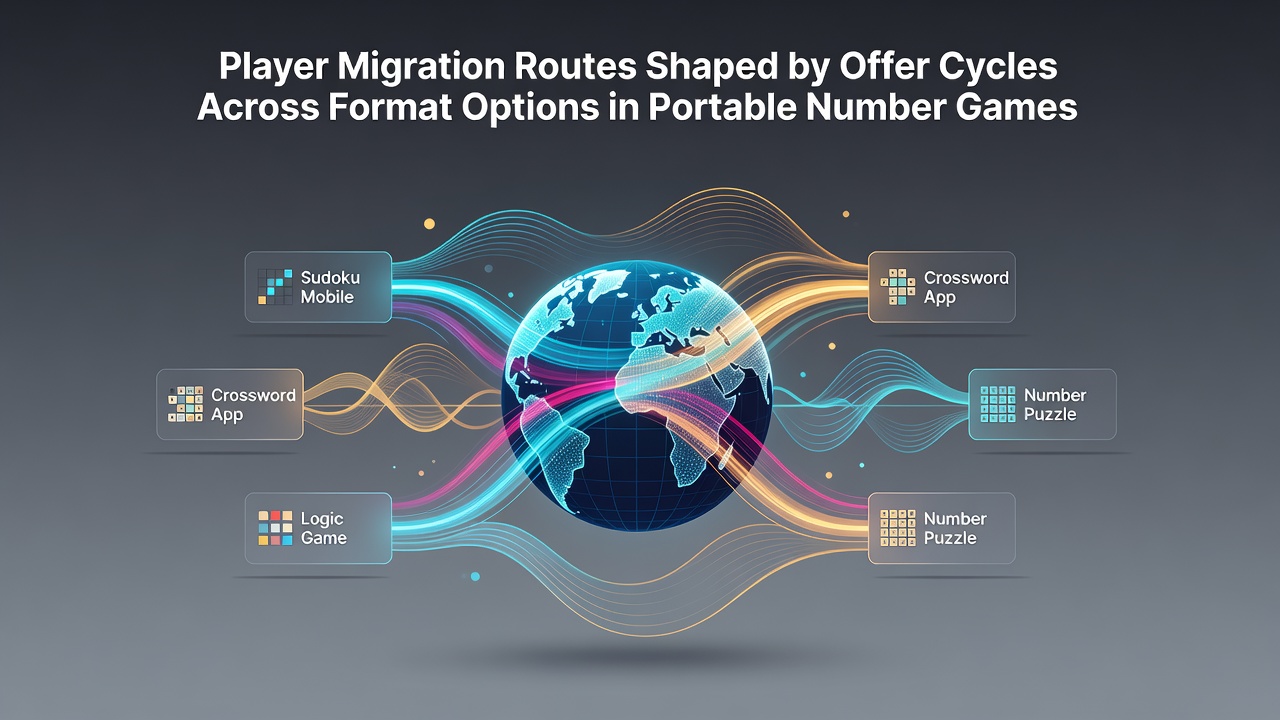
Portable number games encompass mobile applications that deliver bingo variants and similar number-drawing formats to users across smartphones and tablets, and player movement between these options often follows predictable paths tied to promotional schedules. Operators release time-limited offers such as deposit matches, free cards, and boosted jackpots on a rotating basis, and these cycles prompt participants to shift from one format to another as new incentives appear. Data from multiple regions shows that migration accelerates when a preferred variant receives an enhanced reward package while others remain at standard rates.
Format options driving initial engagement
Common formats include 75-ball, 90-ball, and speed variants adapted for smaller screens, each presenting distinct pacing and payout structures that appeal to different user groups. Research indicates that new registrants frequently begin with the most widely advertised option, then explore alternatives once introductory bonuses expire. Operators track these transitions through session data, which reveals clusters of activity around specific promotion windows rather than random exploration.
How offer cycles influence movement patterns
Promotional calendars typically span weekly or monthly intervals, and players respond by relocating their activity to the format carrying the current incentive. A deposit bonus attached to a speed round, for example, draws participants away from slower-paced rooms until the offer concludes. Figures from industry monitoring services demonstrate that such shifts occur most sharply in the first 48 hours after an announcement, after which engagement stabilizes until the next cycle begins.
Regional observations in mid-2026
During June 2026, platform analytics across North American and European markets recorded elevated transfers between 75-ball and 90-ball rooms coinciding with staggered jackpot promotions. Users who started sessions on one format frequently completed them on another after claiming a bonus that required a minimum number of games in the promoted variant. This behavior aligns with earlier patterns documented by the Australian Gambling Research Centre, which examined mobile gambling sessions and found similar offer-driven sequencing.
Observers note that portable device users maintain multiple accounts or switch apps more readily than desktop players, partly because login processes remain streamlined and payment methods transfer easily between platforms. When one operator launches a limited-time free-play period on a niche format, participants often migrate temporarily, return to their primary app once the offer ends, and repeat the process with the next announcement.
Transaction flexibility and format exploration
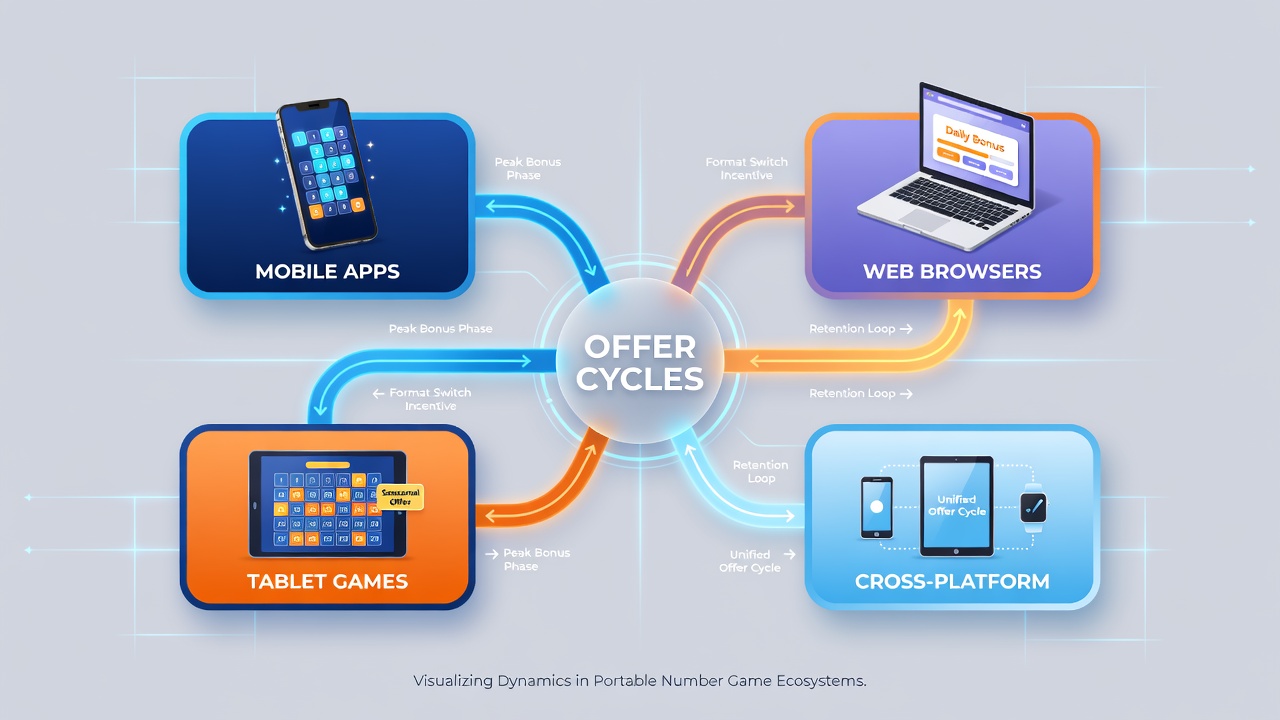
Flexible deposit and withdrawal options further facilitate these routes, allowing users to move funds without friction when chasing an active promotion. Studies compiled by the Canadian Centre on Substance Use and Addiction highlight that seamless transaction pathways correlate with higher rates of format switching within single sessions. Participants who encounter an appealing offer on a secondary format can complete a quick transfer and continue play without leaving the mobile interface.
Case records from several operators show that users who receive targeted notifications about an upcoming cycle tend to pre-load balances onto the relevant format in anticipation. This preemptive action reduces latency once the promotion activates and increases the likelihood of completing the required playthrough conditions before the cycle closes.
Longer-term route stability
While short-term migrations follow offer timelines closely, longer-term preferences stabilize around formats that consistently deliver satisfactory win rates relative to time invested. Data sets collected over multiple quarters indicate that a subset of players settles into one primary format after sampling others through successive promotions, yet remains responsive to occasional high-value offers on secondary options. The pattern suggests that offer cycles function as recurring gateways rather than permanent redirectors.
Industry reports from the European Gaming and Betting Association document comparable behavior across several member markets, where aggregated session logs reveal recurring loops between two or three favored formats punctuated by brief excursions to promoted alternatives. These loops persist across demographic groups, although frequency and amplitude vary according to average session length and typical stake size.
Conclusion
Player migration routes in portable number games emerge directly from the interaction between rotating promotional structures and the range of available formats. Observers tracking session data across 2026 continue to identify consistent movement patterns that operators can anticipate and accommodate through coordinated offer design. The resulting activity flows remain measurable, repeatable, and tied to specific incentive windows rather than random preference changes.